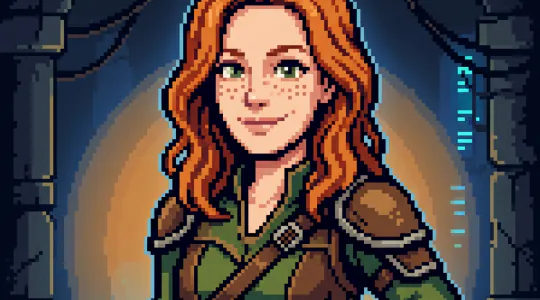
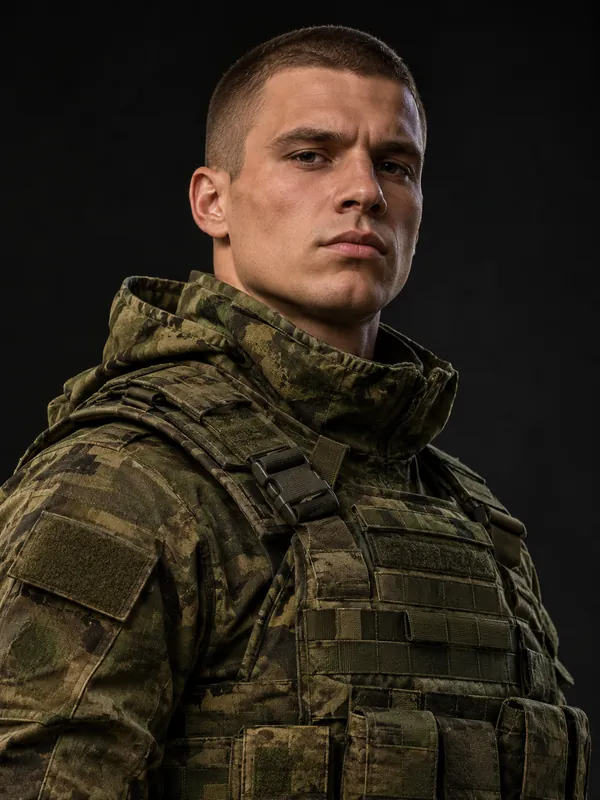
 Preview
Squad lineup
Different class eachSame camo
Four friends, four silhouettes, one colour grade. The lineup looks like a real menu.
Become the operator. Tactical gear, a callsign, a class and a stat card, styled like a loadout screen from a shooter you have not played yet.
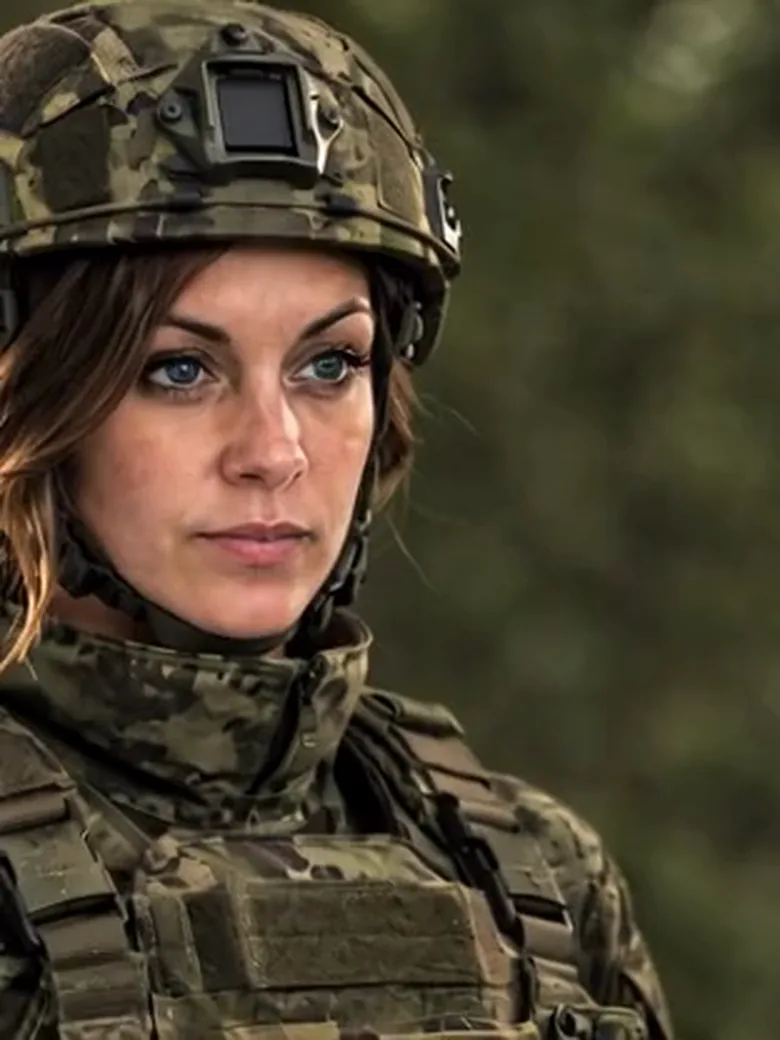 Example result
 Before
In short
An AI game avatar maker turns your photo into a character for games, streams and servers. Tactical Hero renders you as a tactical operator in class gear and camo, framed as a loadout card with your callsign and stats.
Loadout screen
An AI game avatar maker should give you more than a filter. Tactical Hero changes the kit, the headgear and the stats with every class, and paints it all in the camo you choose. Build your card here: class, camo and callsign.
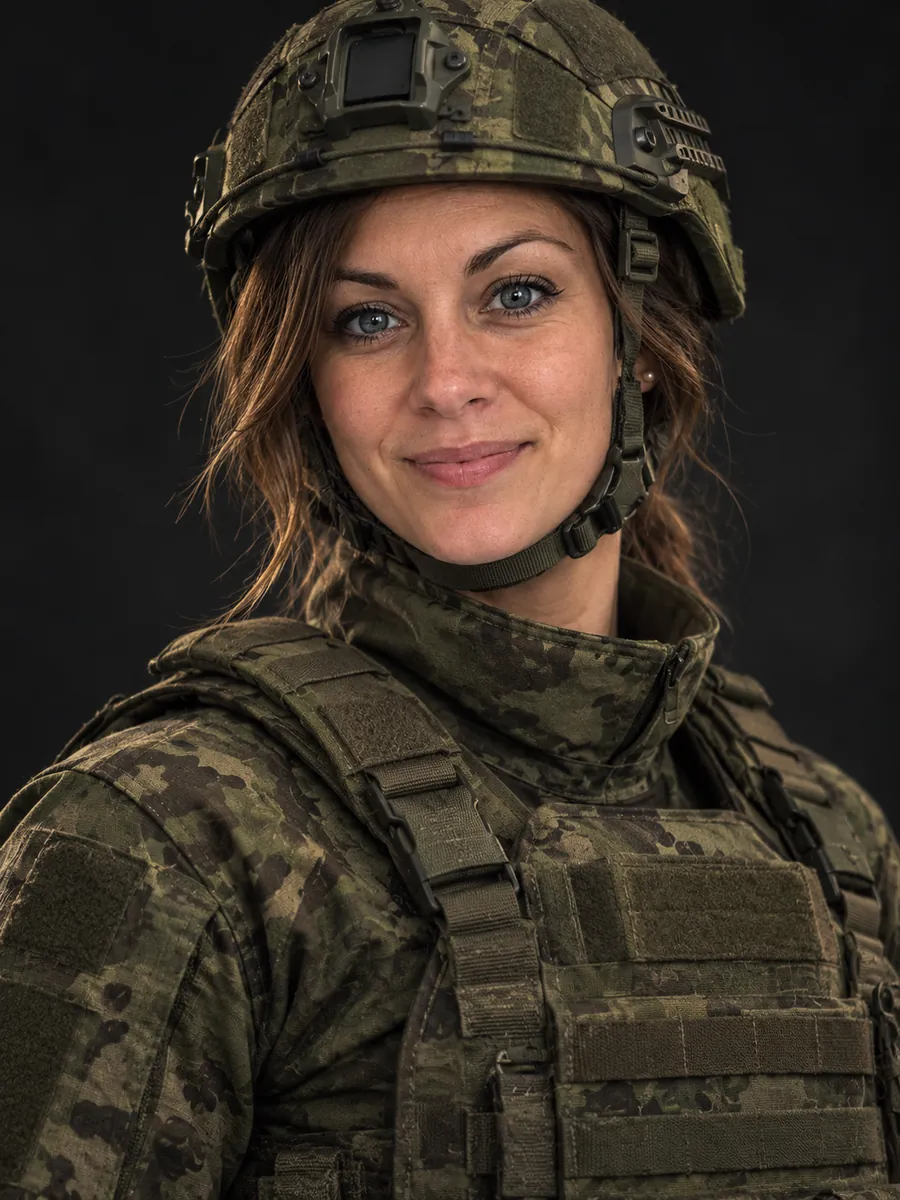
Helmet, plate carrier and goggles. Highest firepower, built to push first.
How it works
Squad lineup
Make one card for each friend and the lineup reads like a real menu. Tap a slot to change that player’s class and watch the squad’s combined stats shift.
One of each class. Every stat on the chart is covered by someone, which is exactly what a lineup post should show.
Deep dive
Each class has its own silhouette. Assault gets a plate carrier and a helmet. Recon gets a hood, a lighter load and binoculars. Medic gets pouches and a cross-free utility patch. Engineer gets a tool belt and a tablet. Silhouette is what makes squad posters readable at a glance.
Forest shifts the image toward olive and shadow, desert toward sand and haze, urban toward concrete grey, arctic toward cold white and blue. The colour grade is matched to the camo so the character looks lit by the environment they would fight in.
Shooter menus present characters with a low camera, rim light and a dark gradient behind them. Tactical Hero copies that framing, then adds a callsign plate and four stats drawn from your class. The layout is generic and original, but instantly familiar to players.
Ideas
Recipes
Three AI game avatar maker recipes for the cards we see most. Tap one to load its class and camo into Tactical Hero at the top of the page, with a sample photo ready.
PreviewFour friends, four silhouettes, one colour grade. The lineup looks like a real menu.
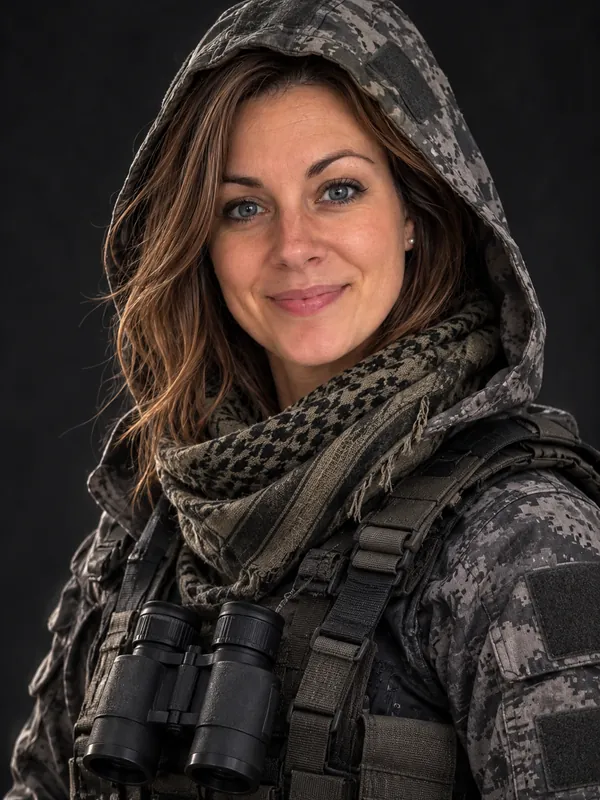 Preview
A darker, moodier card that sits well on a stream overlay.
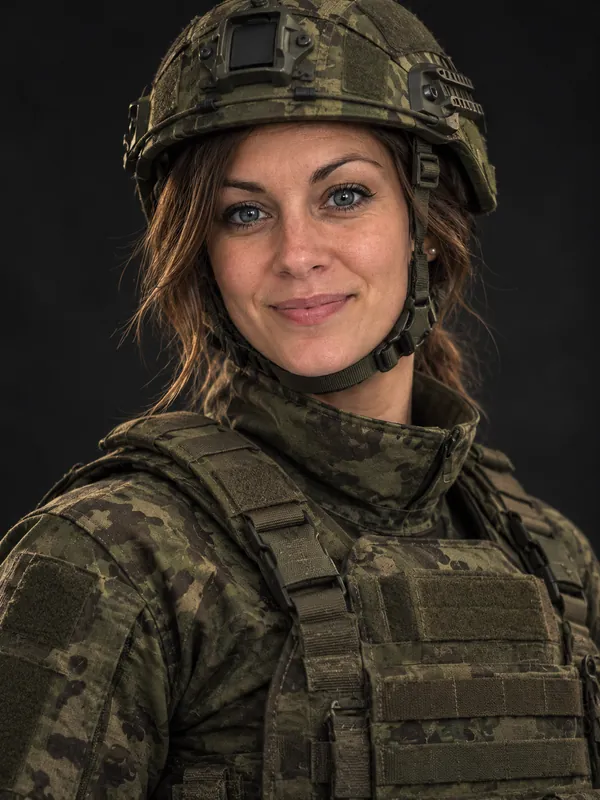 Preview
Classic look for airsoft and paintball team pages.
The honest comparison
A custom operator card by hand means a commissioned illustration, a designer for the loadout layout and a round of revisions. The AI game avatar maker does it from one photo in about 20 seconds.
By-hand time is a typical estimate of 3 h per card.
Better results
Plans
FAQ
An operator-style portrait of you in tactical gear for your chosen class and camo, framed as a stat card with your callsign. It fits squads, stream overlays and Discord servers.
No. The look follows the tactical shooter genre in general: gear, colour grading and the loadout-card layout. No real game names, logos or characters are used.
They are for fun, generated from your class. Recon gets stealth, medic gets support, assault gets firepower.
The credits for a card are shown on the button before you start.
Run a card for each member with the same camo, then post the cards side by side.
Gear is shown, weapons stay out of focus or out of frame. The card is about the character, not the hardware.
Run it again with the new callsign. The callsign is laid over the finished portrait, so it is printed in capitals, letter for letter as you typed it.
Yes. Download the card at up to 2K.
Yes. Beards and glasses are kept as part of your identity. Caps are swapped for class headgear unless you choose a recon hood.
Yes. On paid plans the images you make are yours to use in ads, client work and products. Only upload material you own or have permission to use.
Only you. Uploads and results live in your private History, are never posted anywhere for you, and can be deleted at any time.
Yes. Upload each friend’s photo, keep the same camo and give everyone a different class. The cards share one colour grade, so the lineup reads like a real game menu.